CAC PIN management has gotten more complicated as DoD systems have multiplied and the consequences of a locked card have grown.
How the CAC PIN Actually Works
Your PIN is not stored on a central server. It lives on the card chip itself. When you enter it at a reader, the reader sends the attempt to the chip, which compares it against the stored value. This design has one critical consequence: three consecutive wrong entries lock the card at the hardware level. The card is not checking against a database it can unlock remotely. A locked card requires an administrative reset at a RAPIDS station — there is no way around this.
PIN Requirements and Complexity
CAC PINs are 6 to 8 digits. That’s the technical requirement. With a maximum of one million combinations in a 6-digit numeric PIN, usage behavior matters as much as the PIN itself.
What your PIN should not be: your birthday, repeated digits (111111), sequential numbers (123456), the last four of your SSN, or any number tied to publicly available information about you. What makes a good PIN: something you can reliably recall without writing it down, with personal significance that isn’t publicly knowable.
The Three-Strike Lockout
Three consecutive wrong PIN attempts locks the card. This is hardware-level. No waiting period resets it. No different reader bypasses it. The card must go to RAPIDS.
The practical rules: never enter your PIN if you’re genuinely unsure whether you have the right one — each wrong attempt counts. If you think there’s a chance you have the wrong PIN, go to RAPIDS first and verify before you try. Inform your supervisor or unit IT immediately if your card locks, because it affects your system access and someone else may need to plan around it.
Resetting a Forgotten or Locked PIN
PIN reset happens at a RAPIDS station at most military installations, DEERS offices, and some National Guard and Reserve facilities. You need your card, a government-issued photo ID if your CAC is your primary photo ID, and sometimes unit-specific documentation.
You cannot reset your PIN remotely, online, or by phone. There is no exception for this for most users, including during deployment. Plan around this constraint before you travel. Some installations have self-service PIN reset kiosks for routine PIN changes when the card isn’t locked — these are becoming more common and are useful for proactive changes.
Changing Your PIN Proactively
You don’t have to wait for a compromise to change your PIN. Proactive changes are good practice if you believe someone may have observed your entry, if the card was briefly out of your possession, or if your unit security policy requires periodic changes. Use ActivClient on your CAC-enabled computer, a self-service kiosk, or a RAPIDS station for routine changes.
Protecting Your PIN at Readers
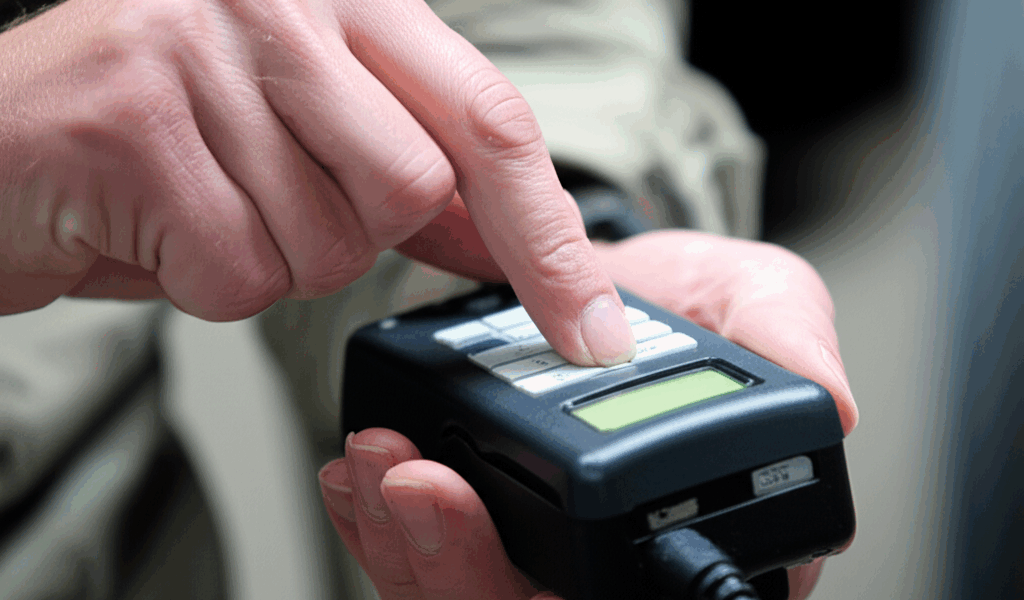
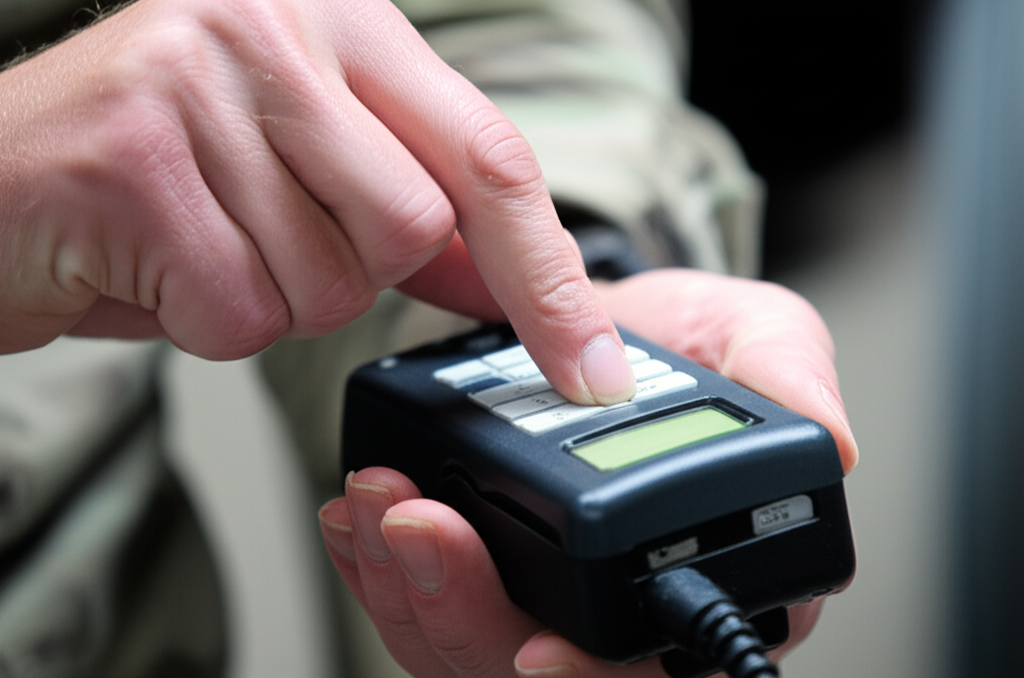
Shoulder surfing is a genuine threat in shared workspace environments. Position yourself between the reader and others when possible, use your free hand to shield the keypad, and be aware of camera positions in the area. Your PIN should be something only you know — if someone has your PIN and has access to your card even briefly, they can impersonate you on DoD systems.
Lost or Stolen Cards
Report immediately to your unit security officer, installation security, and supervisor. A lost CAC doesn’t automatically mean compromised access since the PIN is still required, but deactivation should happen as quickly as possible. DoD policy requires prompt reporting. Don’t delay because you think it might turn up — report it, get the replacement process started, and find it later if it shows up.
Managing your CAC PIN well is a small thing that prevents a significant amount of administrative pain. The three-strike lockout is unforgiving, and every RAPIDS trip costs time. A PIN you can reliably recall, that no one else knows, and that isn’t trivially guessable is the practical goal.




Leave a Reply